

Introduction
Are you ready to turn your love for woodworking projects into a money-making hobby or a thriving side hustle? This guide is your friendly companion to creating simple woodworking projects that are fun to build, easy to sell, and incredibly satisfying. Whether you’re tinkering in a garage, setting up a cosy balcony nook, or transforming your kitchen table into a creative workspace, you’ll find everything you need to get started.
From choosing the right beginner tools to selecting the best types of wood, we walk you through each step with clarity and encouragement. These simple woodworking projects are ideal for personal use, as gifts, or even for selling online and at local craft fairs. You don’t need a huge workshop or years of experience—just a little passion, some basic materials, and the willingness to learn. Get inspired, unleash your creativity, and start building beautiful, functional pieces that people will love.
Why Choose Simple Woodworking Projects?
Simple woodworking projects are the perfect entry point into crafting and selling. They require minimal tools, affordable materials, and just a bit of patience (plus a little sawdust in your hair). These beginner-friendly creations provide a fun, low-stress way to enter the world of woodworking projects without feeling overwhelmed or needing a full workshop setup.
Benefits of Starting Simple:
- Low Upfront Costs: You don’t need expensive machinery or rare hardwoods. Basic hand tools and readily available wood types are more than enough to get started.
- Faster Build Times: With simpler designs and fewer complicated steps, these projects can often be completed in just a few hours or over a weekend, perfect for busy schedules.
- Easier to Replicate and Sell: Simpler designs are easier to reproduce consistently, which is essential when you’re building up an inventory for craft fairs, Etsy, or local markets.
- Excellent for Learning Essential Techniques: Simple projects help you master the fundamentals, such as measuring, cutting, sanding, joining, and finishing. These skills build confidence and serve as a solid foundation for tackling more complex woodworking projects in the future.
Whether you dream of turning your hobby into a business or want a creative outlet, starting simple is the most innovative way forward.
Fun Fact: Some of the world’s most loved crafts started as humble home projects—like the first rocking chair and wooden toy car!
Tools You’ll Need (Nothing Too Fancy)
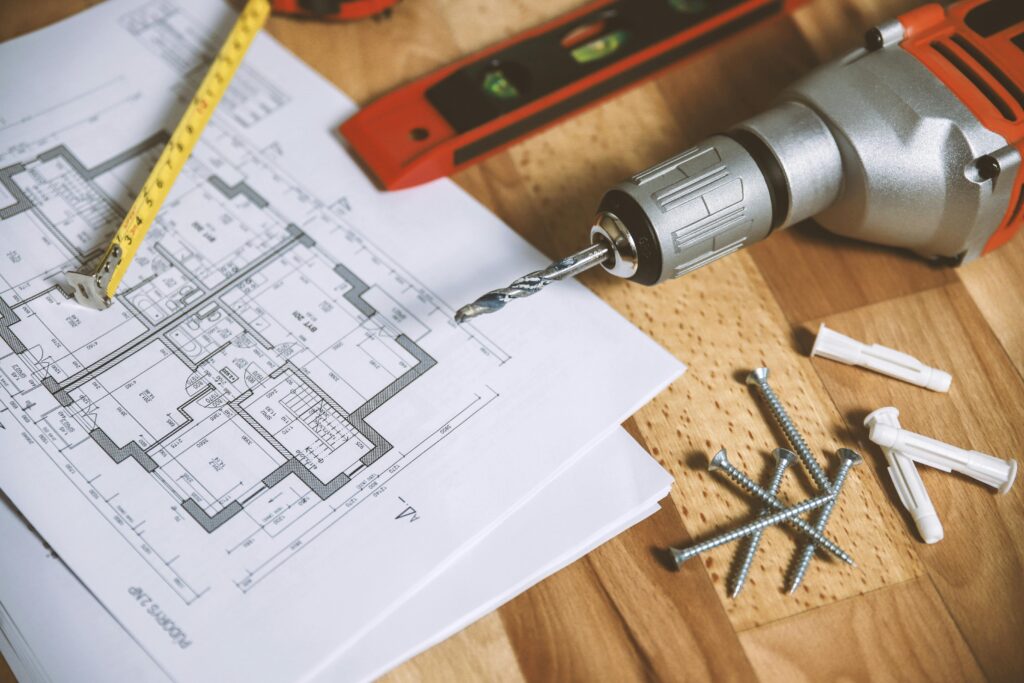
Measuring Tape
It’s just a tape with numbers, right? Wrong. It’s your first defence against crooked chaos. Get a 16-foot one with a lock so it doesn’t recoil like an angry snake every time you try to measure a board.
Hammer
Every DIY hero needs a trusty hammer. Go for a 16-ounce claw hammer—it’s the Swiss Army knife of smacking things.
Handsaw
Like scissors for wood. Slower than a power saw but way better for learning the ropes (and your cuts).
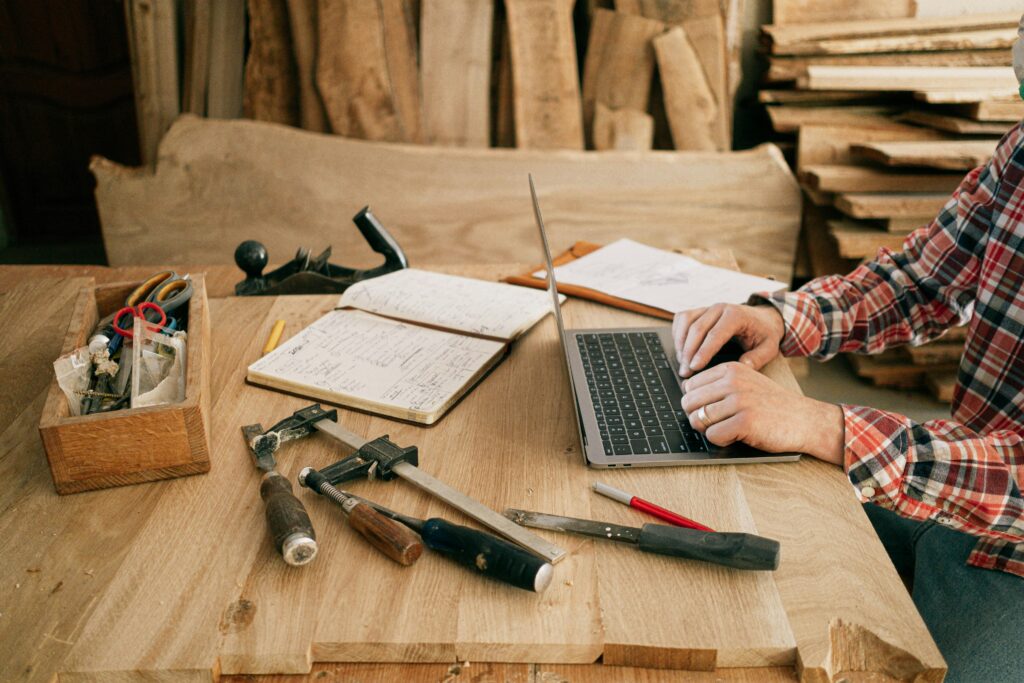
Clamps
Imagine your project had arms to hold things still. That’s what clamps do. Start with two or three—you’ll wish you had more.
Screwdriver or Drill
If you love twisting your wrist for 15 minutes straight, go manual. Otherwise, a simple cordless drill will save your sanity.
Sandpaper or Sander
Sandpaper smooths things out and turns your rough lumber into something that won’t rip your shirt every time you touch it.
Safety Gear
You’ll feel like a remarkable scientist. Wear goggles, gloves, and a dust mask. Bonus points if you make dramatic tool noises while suiting up.
Pro Tip: You don’t need a workshop or ten grand in tools. Start small, start safe, and build big later.
Fun Fact: Thomas Jefferson built furniture as a hobby, often using hand tools alone!
Choosing the Right Wood for Woodworking Projects
Stick with beginner-friendly wood types:
- Pine – Soft, affordable, and smells like Christmas. It’s widely available, easy to cut and sand, and perfect for learning basic joinery techniques.
- Poplar is easy to shape and inexpensive. Though not the most attractive grain, it’s ideal for painting and learning to use power tools without fear of splintering.
- Cedar – Naturally weather-resistant and smells excellent. It is great for outdoor projects, such as planters or birdhouses, and resists rot and insect damage.
- Plywood – Durable and perfect for flat surfaces. Made from layers of wood veneer, it’s stable and budget-friendly, ideal for shelves, cabinets, and shop jigs.
- Spruce – Lightweight and easy to work with. It’s similar to pine but slightly stronger, making it a solid choice for framing and small furniture projects.
- Redwood – Soft but firm, with natural resistance to decay. While a bit pricier than cedar, it’s excellent for outdoor furniture and garden décor.
- Birch – A bit harder than pine or poplar, but still manageable. Its fine grain holds detail well, making it great for small boxes, toys, or turned items.
- MDF (Medium-Density Fiberboard) – Engineered wood made from compressed fibres. It’s smooth, stable, and great for painting, though it produces a lot of dust when cut.
- Aspen is light in colour and weight, with a smooth surface. It doesn’t splinter much, which makes it beginner-friendly and great for scroll saws or craft projects.
Avoid exotic hardwoods at first. They’re expensive, tricky to work with, and too posh for a first date with your saw. Stick with these trusty choices while you master your craft!
Fun Fact: Japanese joinery art can create wooden buildings without the use of nails or glue.

Best-Selling Simple Woodworking Projects
Looking to turn your woodworking hobby into a source of income? These seven beginner-friendly projects are fun to build and have proven to sell well online and at local craft fairs. They’re simple, practical, and allow you to showcase your creativity while generating a profit.
1. Wooden Coasters
- Why it sells: Everyone uses coasters, and handcrafted sets are a hit for housewarmings, birthdays, and holiday gifts.
- You’ll learn skills such as cutting small pieces, sanding edges to a smooth finish, and applying finishes like varnish or wood oil.
- Custom ideas: Burn initials or logos with a wood-burning pen, add epoxy resin designs, or stencil on trendy quotes.
- Pro tip: Sell them in sets of 4 or 6 and wrap them with twine or ribbon for a rustic, ready-to-gift look.
2. Rustic Shelves
- Why it sells: Functional and decorative, rustic shelves suit modern and farmhouse interiors.
- You’ll learn to measure, make straight cuts, mount brackets, and apply wood stains or whitewash finishes.
- Custom ideas: Add hooks underneath for mugs or keys, or paint the edges for a pop of colour.
- Selling tip: Market them as “floating shelves,” which adds visual appeal and a modern vibe.
3. Wall-Mounted Key Holders
- Why it sells: Small, stylish, and valuable, almost everyone needs a place to keep keys.
- You’ll learn the following skills: Drilling, screwing in hooks, sanding, and using a jigsaw or carving tools.
- Custom ideas: Personalise with family names, pet-themed cutouts, or inspirational quotes.
- Pro tip: Add a mini shelf on top for wallets, sunglasses, or tiny plants—it increases value without adding much work.
4. Planter Boxes
- Why it sells: Gardeners and plant lovers always need more planters—especially charming handmade ones.
- Skills you’ll learn: making box joints, sanding corners, applying waterproof finishing, and basic assembly using nails or screws.
- Custom ideas: Paint with chalkboard labels, attach rope handles, or carve in botanical designs.
- Bonus fun fact: Wooden planters with a drainage hole and liner can be sold at a higher price point.
5. Phone Stands
- Why it sells: They’re inexpensive, universally applicable, and make excellent desk or nightstand accessories.
- Skills you’ll learn: Precision cutting, angle measurement, and sanding for a smooth, splinter-free finish.
- Custom ideas: Add initials, engrave favourite quotes, or use two-toned wood for contrast.
- Pro tip: Create versions that hold phones and smartwatches to boost their appeal.
6. Wooden Tablet or Recipe Holders
- Why it sells: Perfect for the kitchen, work desk, or workshop—these are excellent for hands-free viewing.
- You’ll learn the following skills: Making a secure backrest and ledge, using clamps, and balancing weight and support.
- Custom ideas: You can add a chalkboard finish to the back, use reclaimed wood for eco appeal, or engrave a favourite recipe.
- Bonus selling tip: Market these as “gift-ready for home chefs” around holidays or Mother’s Day.
7. Serving Trays
- Why it sells: Trays are always in demand for entertaining, décor, or coffee table accents.
- Skills you’ll learn: Measuring for symmetry, attaching side handles, sanding smooth edges, and staining.
- Custom ideas: Add resin inlays, geometric patterns, or monograms.
- Pro tip: Use contrasting wood tones or inlays to elevate the visual appeal.
Fun Fact: The average person checks their phone over 100 times daily—that’s 100 reasons to sell a phone stand!
Selling Step-by-Step: From Ideation to Marketing
Let’s break the woodworking projects down into manageable steps so your journey from woodchip rookie to craft fair pro feels smooth, fun, and rewarding.
Step 1: Pick a Profitable Project
Start with something that excites you—like coasters, plant stands, or rustic shelves. When you’re passionate about the piece, it shows in your craftsmanship. Choose a design that people use or love to gift. Passion fuels focus, and focus brings better results.
Step 2: Gather Materials and Tools
Only buy what’s necessary for your chosen project. Visit local hardware stores, lumberyards, or even reclaimed wood sellers to find high-quality materials on a budget. Stick with basic tools like a saw, sander, drill, and clamps—borrow or rent at first if needed.
Step 3: Build Your First Piece
Work patiently through the process—measure, cut, sand, glue, screw, and then finish. Use a simple plan or online tutorial to stay on track. Mistakes may happen, but each one teaches you something valuable. Above all, aim for clean, sturdy construction.
Step 4: Finish Like a Pro
A smooth, polished finish makes a world of difference. Select a clear coat, wood stain, or a splash of paint that suits your style. Sand between coats if needed for that buttery-smooth touch. A good finish adds beauty, durability, and higher perceived value.
Step 5: Price It Right
Pricing is more than guessing—calculate your material costs, time invested, and desired profit. Check platforms like Etsy or local craft markets to see what similar pieces sell for. Ensure your price reflects both your effort and the uniqueness of your work.
Step 6: Promote and Sell
Take high-quality photos in natural light from multiple angles. Share your creations on platforms like Etsy, Instagram, Facebook Marketplace, or even local WhatsApp groups. Tell the story behind your piece—buyers love handmade items with heart and personality.
Fun Fact:
Etsy has over 90 million active buyers, many of whom are explicitly looking for handmade wooden creations. That’s a huge opportunity waiting for you to tap into.
Tips for Success
- Start small and scale slowly
- Always measure twice and cut once
- Test each product before selling
- Keep designs neat but straightforward
- Take feedback seriously
Fun Fact: Leonardo da Vinci loved woodworking and often designed furniture and mechanical wood devices in his notebooks.
Q&A: Your Woodworking Questions Answered
Q: Do I need a complete workshop?
A: Not at all. You can start in small spaces, such as a garage corner, balcony, or shed.
All you need is a sturdy table and good lighting to begin creating.
Keep it simple—your workspace can grow as your skills do.
Q: How long does a project typically take?
A: Most beginner projects can be completed in a few hours or over a weekend.
Simple designs, such as shelves, coasters, or tool caddies, can be quickly built.
The more you practice, the faster and smoother the process becomes.
Q: Can I really make money with this?
A: Absolutely. Many people earn extra income selling at craft fairs or online.
Handmade wood items are in high demand on platforms like Etsy and Instagram.
With consistency and creativity, it can grow into a full-time side hustle.
Q: What if I make mistakes?
A: Mistakes are part of the learning curve and happen to everyone.
Wood is a forgiving material—you can often sand, patch, or repurpose it.
Each slip-up teaches you something new and makes you a better woodworker.
Q: Do I need power tools?
A: Not necessarily. Basic hand tools, such as saws, hammers, and chisels, are sufficient to get started.
They’re budget-friendly and great for learning precision and control.
As you gain confidence, you can upgrade to power tools if needed.
Summary: Wood, Willpower & Winning Ideas
If you’ve ever wanted to create something with your own hands, Simple Woodworking Projects is your perfect starting point. This guide is more than just a how-to; it’s a motivational roadmap for turning a hands-on hobby into a potential source of joy, confidence, and even income.
We began by exploring why woodworking is such a fulfilling pursuit—it calms the mind, sharpens focus, and gives you the satisfaction of building something real and lasting. Whether you’re a student with spare time, a retiree looking for a new passion, or anyone eager to unplug and create, woodworking meets you where you are.
Next, we outlined the essential tools every beginner needs—nothing too fancy, just the basics, such as a saw, hammer, drill, and sander, to get you started without overwhelming your budget.
We then walked through the most beginner-friendly types of wood, such as pine, poplar, cedar, plywood, and others. These woods are easy to find, affordable, and forgiving to work with—perfect for beginners to learn the basics and gain confidence.
To test your skills, we shared five simple, high-demand woodworking projects you can make and even sell. These include items such as coasters, rustic shelves, plant stands, and more—all practical, aesthetically pleasing, and beginner-friendly.
But it doesn’t stop there. We offered a clear path to turning your new hobby into a side hustle, with actionable steps on how to price your products, where to sell them (both online and offline), and how to build trust with your first customers.
Finally, we wrapped up with smart tips for selling successfully, from photographing your pieces in good lighting to writing catchy descriptions to providing excellent customer service.
So, whether you’re seeking a creative outlet, a money-making idea, or simply the joy of working with your hands, this guide has provided you with the tools, knowledge, and inspiration to get started.
Begin with a small woodworking project, grow your skills, and let your creativity shape not just wood but your future.
Conclusion
Simple woodworking projects aren’t just fun—they’re your ticket to practical creativity, hands-on learning, and maybe even a steady stream of income. With each cut, each nail, and each finished piece, you’re not just working with wood—you’re building confidence, skill, and momentum. Whether you’re creating something beautiful for your home or designing items to sell, every small success adds up.
These projects offer more than just a hobby. They provide an escape from screens, a sense of accomplishment, and the joy of making something with your own two hands. As you continue, you’ll discover new techniques, grow your toolkit, and even start to develop your own unique style. Before long, you might be filling up a booth at a craft fair or shipping out your latest creations to happy customers online.
Don’t wait for the perfect time. Grab that saw, make that shelf, sell that coaster. Your journey starts now—and success smells a lot like freshly cut pine!
Click here to learn more about easy and excellent XX000 woodworking project plans for beginners!
#SimpleWoodworkingProjects #DIYWoodworking #WoodProjectsToSell #BeginnerWoodworking #CraftsForProfit #EasyWoodProjects #HomeBasedWoodworking #WoodworkingForTeens #WoodworkingHustle #WoodworkingTips
Disclaimer: This post, Seven Quick Woodworking Projects, may contain affiliate links, which means that I might earn a small commission (at no extra cost to you) if you decide to purchase through one of these links. I only recommend products that are already popular, which I believe will bring value to you. Thanks for the support!